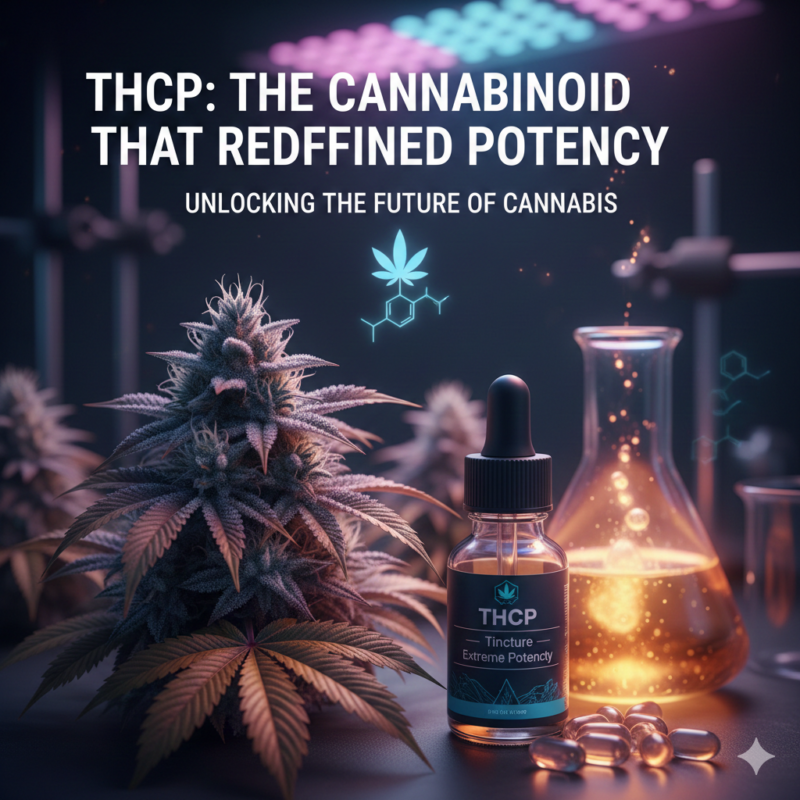
What Is THCP? Effects, Strength & Legality

THCP, or tetrahydrocannabiphorol, is a naturally occurring cannabinoid that has attracted considerable attention due to its remarkable potency and unique properties. Discovered in 2019 by Italian researchers, THCP represents one of the more recent additions to the growing list of identified cannabinoids found in cannabis plants. Understanding this compound’s characteristics, effects, and legal status helps consumers make informed decisions about whether THCP products are appropriate for their needs.
Chemical Profile
THCP is a homologue of Delta-9 THC, meaning it shares a similar molecular structure but with a critical difference in its side chain. While Delta-9 THC has a five-carbon side chain (pentyl chain), THCP features a seven-carbon side chain (heptyl chain). This structural variation, though seemingly minor, has significant implications for how the cannabinoid interacts with the body’s endocannabinoid system.
The full chemical name is (-)-trans-Δ⁹-tetrahydrocannabiphorol, and its molecular formula is C₂₃H₃₄O₂. This two-carbon extension in the alkyl side chain allows THCP to bind more effectively to cannabinoid receptors compared to Delta-9 THC. The length of this side chain is directly correlated with the cannabinoid’s binding affinity, which explains the enhanced potency that THCP demonstrates.
THCP occurs naturally in cannabis plants, though typically in very small concentrations. The Italian research team that identified THCP found it present in trace amounts in the FM2 medical cannabis strain. Because natural concentrations are so minimal, most THCP products available commercially are created through hemp-derived synthesis or conversion processes rather than direct extraction from plant material.
The cannabinoid can be produced from CBD or other hemp-derived cannabinoids through chemical processes, similar to how Delta-8 THC and other hemp-derived compounds are manufactured. This production method allows THCP to be classified as hemp-derived when the starting material is federally compliant hemp, which has implications for its legal status.
Why THCP Is So Strong
The exceptional strength of THCP compared to traditional Delta-9 THC stems from its superior binding affinity to CB1 and CB2 cannabinoid receptors. Research indicates that THCP binds to CB1 receptors with approximately 33 times greater affinity than Delta-9 THC. This dramatically increased binding efficiency translates directly to more potent effects at lower doses.
CB1 receptors are primarily located in the brain and central nervous system and are responsible for mediating the psychoactive effects of cannabinoids. When a cannabinoid binds more effectively to these receptors, it produces stronger effects. The seven-carbon side chain of THCP creates an optimal molecular shape that fits into the CB1 receptor binding site more securely than the five-carbon chain of Delta-9 THC.
Beyond binding affinity, THCP also demonstrates greater activity at CB2 receptors, which are predominantly found in the immune system and peripheral tissues. This enhanced CB2 interaction may contribute to some of the physical effects and therapeutic potential that researchers are beginning to explore.
Anecdotal reports from users suggest that THCP can be significantly more potent than Delta-9 THC, with some describing effects that are noticeably stronger even at much smaller doses. However, individual responses vary considerably based on factors including tolerance, body chemistry, consumption method, and the presence of other cannabinoids and terpenes in the product.
The concept of “strongest THC” is complex because potency depends not only on binding affinity but also on dosage, product formulation, and individual physiology. While THCP demonstrates exceptional receptor binding, responsible manufacturers formulate products with appropriate concentrations to provide manageable experiences rather than overwhelming effects.
THCP Effects
The effects of THCP are qualitatively similar to those of Delta-9 THC but are often described as more intense and longer-lasting. Users report experiencing pronounced euphoria, deep relaxation, altered sensory perception, and significant changes in thought patterns. The intensity of these effects can vary based on dosage and individual tolerance.
Many users describe THC-P as producing particularly strong physical sensations, including pronounced body relaxation and sedation at higher doses. The enhanced CB1 receptor activation may contribute to more substantial effects on pain perception, muscle tension, and physical comfort. Some consumers report that THC-P feels more physically immersive than traditional THC.
The onset time for THCP effects depends on the consumption method. Vaporized THC-P typically produces effects within 5 to 15 minutes, with peak intensity occurring around 30 minutes to an hour after consumption. Edible products like THC-P gummies have a delayed onset, usually taking 45 minutes to 2 hours to become noticeable, but effects tend to last considerably longer, often 4 to 8 hours or more.
Duration is another distinguishing characteristic of THCP. Multiple user reports suggest that THCP effects persist longer than equivalent doses of Delta-9 THC. This extended duration may relate to the compound’s metabolic profile and how the body processes the seven-carbon side chain. Consumers should plan accordingly and avoid activities requiring mental clarity for several hours after consumption.
The cognitive effects of THCP can be substantial, including altered time perception, enhanced creativity or introspection, changes in memory processing, and shifts in emotional state. At higher doses, some users report experiences that feel considerably more psychoactive than traditional cannabis, which underscores the importance of careful dosing.
Individual responses to THCP vary significantly. Factors including previous cannabis experience, body weight, metabolism, and cannabinoid tolerance all influence how someone experiences THCP. First-time users of THCP should expect effects that may be considerably stronger than their experiences with Delta-9 THC products.
Safety Considerations
Due to its exceptional potency, THCP requires a more cautious approach than traditional cannabinoid products. Starting with very small amounts is essential, particularly for those who have not used THCP previously or who have moderate experience with cannabinoids.
For THCP gummies and edibles, beginning with a quarter or half of a single gummy is advisable, even if the labeled dose seems small. The delayed onset of edible products can lead users to consume more before the initial dose takes effect, potentially resulting in uncomfortably intense experiences. Waiting at least two hours before considering additional consumption allows adequate time to assess the full effects.
With vaporized THCP products, taking one or two small inhalations and then waiting 15 to 20 minutes provides a safer approach than consuming multiple draws immediately. The rapid onset of vaporized cannabinoids makes it easier to titrate dosage incrementally, but the potency of THCP means that even small amounts can produce significant effects.
Potential side effects of THCP are similar to those associated with high doses of Delta-9 THC but may occur at lower doses due to increased potency. These can include anxiety or paranoia, rapid heart rate, dry mouth and eyes, dizziness or disorientation, impaired coordination and reaction time, and in some cases, nausea. If uncomfortable effects occur, finding a calm, safe environment and staying hydrated can help. Effects will diminish over time as the body metabolizes the cannabinoid.
THCP should not be used before driving, operating machinery, or engaging in activities requiring mental clarity and physical coordination. The cognitive and physical effects can significantly impair judgment and reaction time. Individuals with cardiovascular conditions, anxiety disorders, or other mental health concerns should consult healthcare providers before using THCP products.
Combining THCP with alcohol or other substances can intensify effects unpredictably and is not recommended. Pregnant or nursing individuals should avoid cannabinoid products. People taking medications should verify potential interactions with their healthcare providers, as cannabinoids can affect how the body processes certain pharmaceuticals.
Responsible consumption of THCP means respecting the compound’s potency, understanding personal limits, and prioritizing safety over experimentation. The goal should be a comfortable, manageable experience rather than testing maximum tolerance.
THCP Gummies & Vapes at Singing Kush
THCP products are available in various formats, each offering distinct advantages for different consumption preferences and experience levels. Gummies and vaporizer products represent two popular options that provide different onset times, durations, and user experiences.
THCP gummies offer a discrete, convenient, and precisely dosed format for consuming this potent cannabinoid. Each gummy contains a measured amount of THCP, allowing users to track their intake accurately. Quality THCP gummies are formulated with appropriate serving sizes that account for the compound’s enhanced potency, typically containing smaller amounts of THCP than comparable Delta-9 THC edibles would contain.
The advantages of THCP gummies include consistent dosing with no guesswork about intake amounts, long-lasting effects that can provide extended relief or recreation, no need for specialized equipment or preparation, and discrete consumption without noticeable odor. The delayed onset requires patience but results in a smooth, gradual experience that many users prefer for evening use or situations where prolonged effects are desirable.
THCP vape products provide rapid onset and more immediate control over dosage. Vaporization allows users to feel effects quickly, making it easier to adjust consumption based on real-time feedback about intensity. Quality vape cartridges contain hemp-derived THCP combined with natural terpenes that enhance flavor and may contribute to the overall experience through the entourage effect.
When selecting THCP products, several quality indicators help identify reputable options. Third-party laboratory testing is essential and should verify THCP content, confirm the absence of Delta-9 THC above legal limits, and screen for contaminants including pesticides, heavy metals, and residual solvents. Certificates of Analysis should be readily accessible for every product batch.
Transparent ingredient lists demonstrate manufacturer commitment to quality and consumer safety. THCP gummies should clearly state all ingredients, including any natural or artificial flavorings and the source of the THCP. Vape products should identify all components of the formulation and avoid potentially harmful additives.
Proper packaging protects product integrity and provides essential information. Child-resistant containers are standard for edible products, while clear labeling should include THCP content per serving and total per package, suggested serving sizes and usage guidelines, batch numbers corresponding to lab tests, and appropriate warnings about psychoactive effects.
Established retailers offering THCP products typically provide detailed product descriptions, transparent testing information, and customer support to help consumers select appropriate options for their experience level and preferences. Taking time to research products and understand their potency helps ensure a positive experience with this uniquely strong cannabinoid.
Note: This article provides educational information about THCP and should not be considered medical advice. THCP is a potent psychoactive compound that may not be suitable for everyone. Effects vary by individual. THCP legality varies by jurisdiction, and consumers should verify local laws before purchasing. Consult healthcare providers before using cannabinoid products, especially if you have health conditions or take medications. Use responsibly and never drive or operate machinery while under the influence of THCP.